Breeder floor, feeding and nest systemBreeder floor, feeding and nest system
Breeder production requires separate male and female feeding, space for mating, a quiet nest and a protected hatching-egg path. The project is laid out around flock movement and egg quality.
Breeder production requires separate male and female feeding, space for mating, a quiet nest and a protected hatching-egg path. The project is laid out around flock movement and egg quality.
01
Male and female feeding
Independent lines and height or access restrictions help control separate ration and body-weight targets.
02
Nest acceptance
Entrance visibility, shade, mat condition and closing mechanism affect where hens lay.
03
Hatching egg protection
Short roll-out, low transfer drops and a clean belt reduce collision and repeated handling.
02 / Equipment details
See each equipment detail in context.
Each catalogue image explains a visible structure or process; pictured configurations are not a fixed supply list.
Product catalogue visual / 01
01 / Equipment details
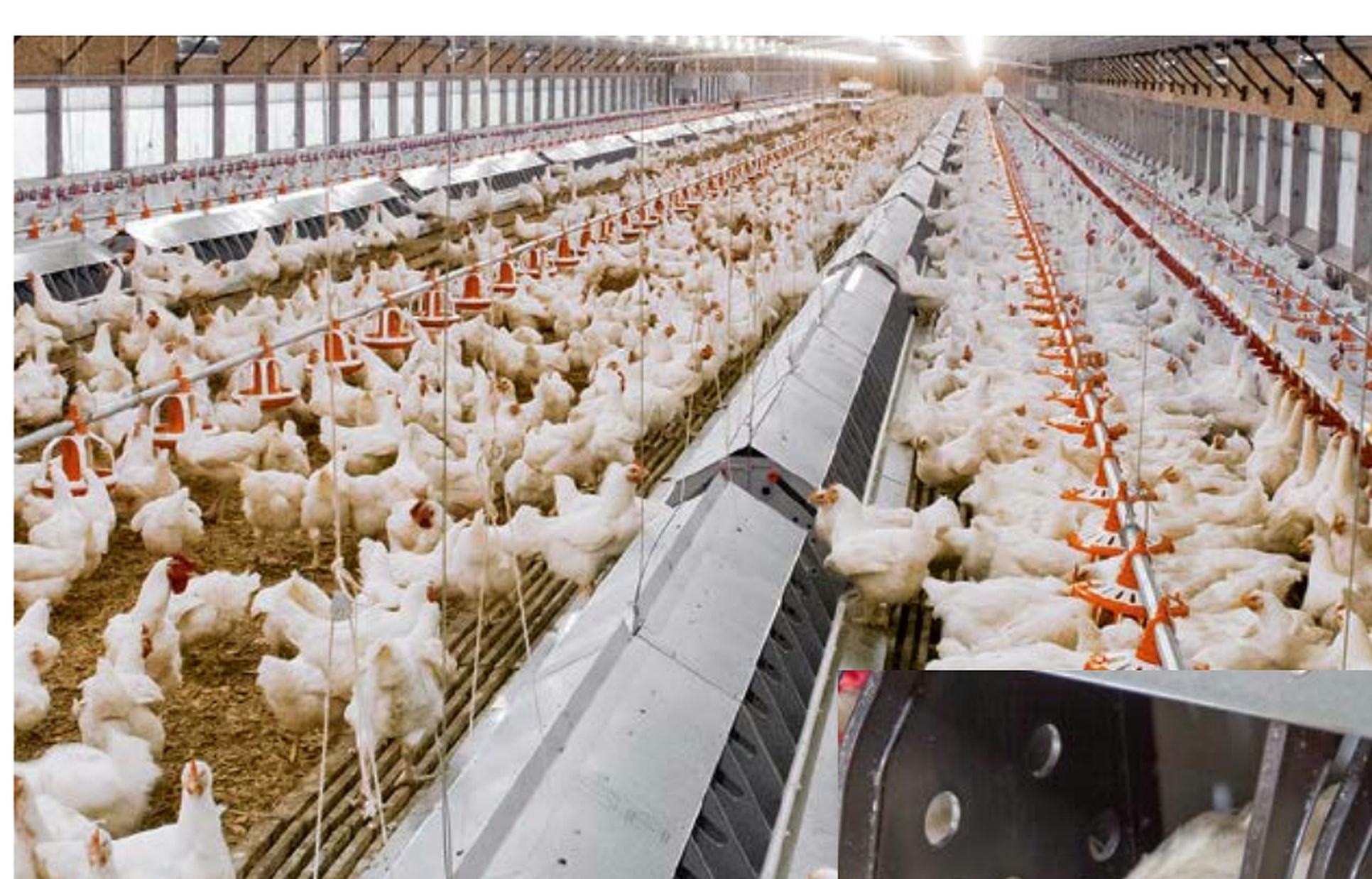
Male and female feeding zones
The source shows breeder activity and feed zones. Male and female body size and feeding behavior differ; feed, water and aisles must follow the breeding plan rather than a layer-cage layout.
Configure for your site:Confirm sex ratio, separated feeding and staff route.
Product catalogue visual / 02
02 / Equipment details
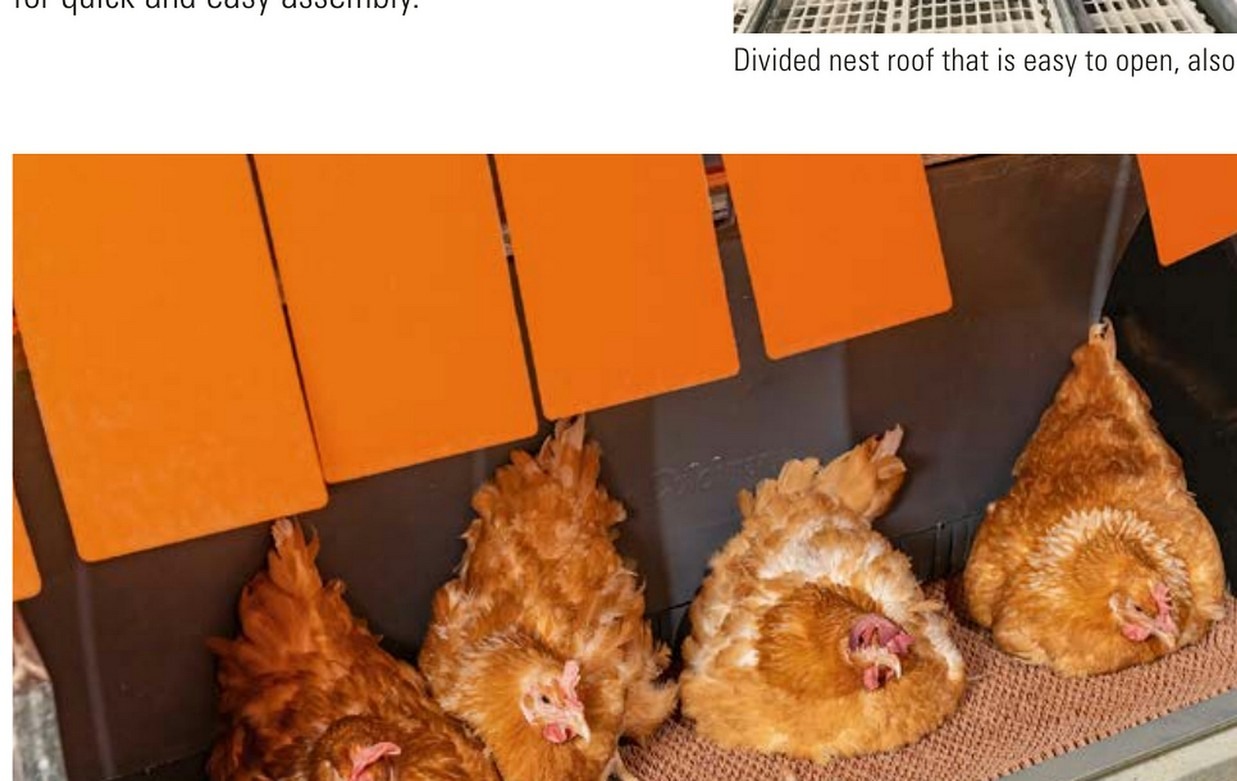
Nest-box interior
The close-up shows hens inside a nest box and its contact surface. Entry, privacy, cleaning and hatching-egg protection need review; the pictured nest is a reference configuration.
Configure for your site:Confirm nest count, opening mode and cleaning route.
Product catalogue visual / 03
03 / Equipment details
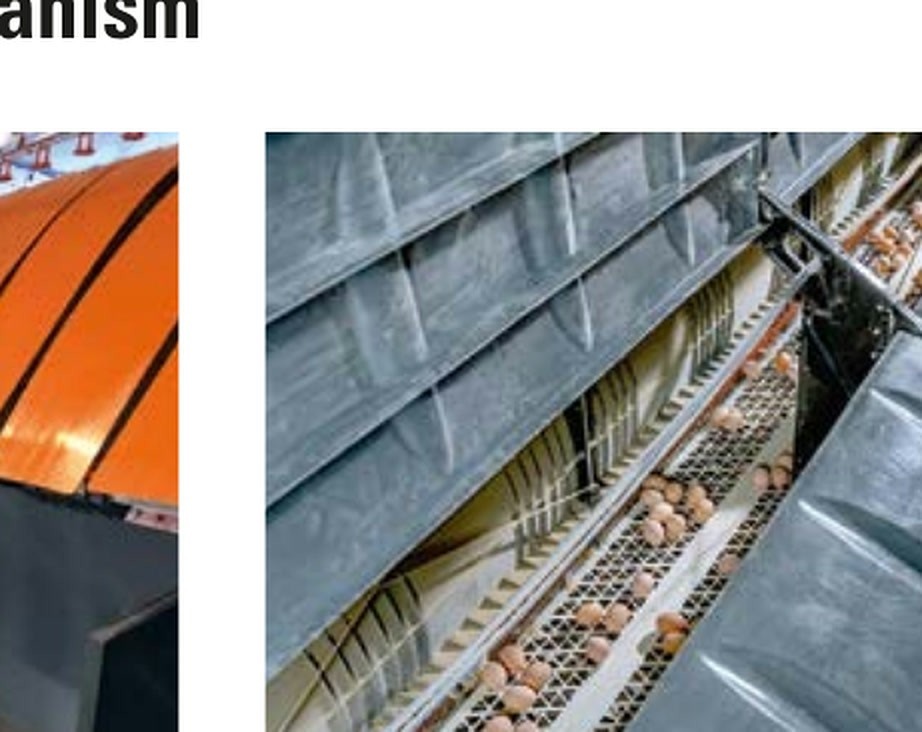
Hatching-egg collection
The source shows an egg belt beside the nest. Handoffs and drop heights from nest to collection need their own review to limit damage and contamination.
Configure for your site:Confirm belt, transfer level and collection room position.
03 / System connections
How the equipment connects.
Functional connection map · not a construction drawing
01
Separated feeding
Allocate feed and water for breeding groups.
→
02
Nesting zone
Guide hens to cleanable nests.
→
03
Hatching eggs
Limit handoffs and connect to collection.
06 / Configuration scope
Turn a product family into a project specification.
Final model and supply scope are set in a written project specification.